
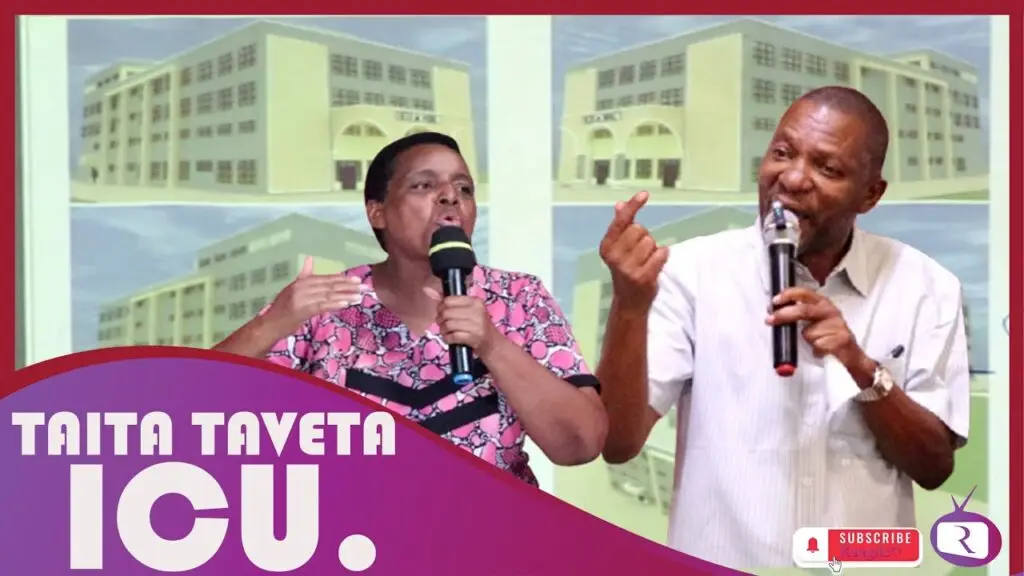

On a warm afternoon in Voi town, inside a packed hotel hall, residents gathered not to cheer political slogans or trade blame, but to talk about life itself. Faces reflected concern, urgency, and rare optimism as the public participation forum on the proposed Intensive Care Unit (ICU) got underway. For many in attendance, this was not just another government meeting. It was a moment long overdue.
For the first time in years, the people of Voi spoke with one voice: Taita Taveta needs an ICU.
A County Left Behind in Critical Care
Since the introduction of devolution, Taita Taveta County has operated without a functional Intensive Care Unit. In a region that stretches from vast rural settlements to busy highways linking Kenya to the coast, the absence of such a critical facility has been deeply felt.
For families, a medical emergency often triggers a painful chain of events — rushed referrals to hospitals in Mombasa or Nairobi, long ambulance journeys, mounting costs, and agonizing uncertainty. For some patients, the distance has proven too long.
Residents at the forum described the lack of ICU services as a silent crisis — one that does not always make headlines but leaves lasting scars in homes across the county.
Early Attempts and Painful Setbacks
The road to this moment has not been smooth. In previous years, the county government attempted to establish small ICU units at Mwatate and Voi hospitals. These efforts raised hopes, only for them to be dashed by assessments from the national Ministry of Health.The facilities were disqualified for failing to meet the required standards for ICU operation, forcing the county to continue delivering healthcare without critical care capacity. While disappointing, these setbacks offered hard lessons.
Rather than abandoning the idea, county leaders and health planners went back to the drawing board.
A New Approach: One Modern ICU
This time, the vision is bolder and more strategic. Instead of scattered, under-equipped units, Taita Taveta plans to build one large, modern ICU facility designed to meet national and international standards.
The project will be implemented in partnership with the World Bank, a collaboration that has renewed confidence among residents. The county government is expected to contribute approximately KSh 12 million, while the bulk of the funding will come from the World Bank. Once completed, the total cost of the project is projected to exceed KSh 350 million.
To many residents, the figures are staggering — but the meaning behind them is clear. This is an investment in survival, dignity, and trust in the local healthcare system.
Wananchi Speak: Health Over Politics
During the public participation forum, speaker after speaker emphasized one message: healthcare should never be politicized. Residents from Voi and surrounding areas expressed overwhelming support for the ICU project, noting that critical care saves lives regardless of political affiliation.Accidents, complicated births, chronic illnesses, and sudden emergencies do not choose sides. For the people of Voi, an ICU is not a luxury reserved for big cities — it is a necessity.
The mood in the room reflected a community tired of delays and divisions, but still hopeful that progress is possible.
Leaders Draw a Clear Line
Addressing the gathering, the Governor and Deputy Governor of Taita Taveta offered firm assurances that politics would not be allowed to interfere with the ICU project. They urged leaders planning to vie for various elective positions to conduct their campaigns responsibly and avoid turning life-saving initiatives into political battlegrounds.
Their message resonated with the crowd, drawing applause from residents who have seen too many development projects stalled by political wrangles.
For once, the focus remained where it belonged — on patients, families, and the future of healthcare in the county.
A Turning Point for Taita Taveta
If completed as planned, the ICU will mark a historic milestone for Taita Taveta County. It will reduce the need for long-distance referrals, improve emergency response, and restore confidence in public health facilities.
More importantly, it demonstrates what can happen when leadership, institutions, and wananchi pull in the same direction. The project is a reminder that development does not always begin with grand speeches, but with honest conversations and collective resolve.
As one resident quietly remarked after the meeting, “Hospitali si ya chama, ni ya maisha.”
In the end, the story of Voi’s ICU is not just about concrete, equipment, or budgets. It is about a community choosing life — together.
Also Read:Voi Upper Market: Traders’ Painful Trespass Amid Demolition