
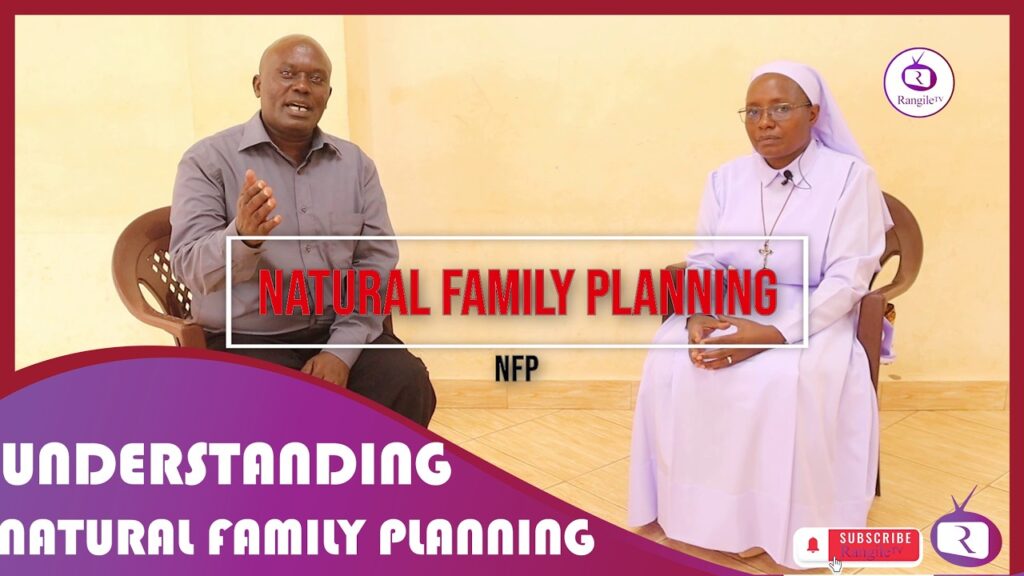

In a quiet clinic room in Nairobi, a young couple leans closer to a chart of the menstrual cycle. They are not there for pills or injections. Instead, they are learning how to read the body’s natural signals—signs that have existed for generations but are now gaining renewed attention. For many Kenyan couples, Natural Family Planning (NFP) is becoming more than a method; it’s a lifestyle rooted in awareness, trust, and shared responsibility.
What Is Natural Family Planning?
Natural Family Planning refers to a group of methods used to prevent or achieve pregnancy by observing a woman’s natural fertility signs. Unlike modern contraceptives, NFP does not rely on hormones, devices, or medical procedures.
Instead, it focuses on identifying the fertile window—the few days in each menstrual cycle when pregnancy is most likely to occur. Couples then make informed decisions based on whether they want to conceive or avoid pregnancy.
In Kenya, NFP is often promoted in both faith-based and public health settings, especially among couples seeking natural, low-cost alternatives.
How the Body Speaks: Understanding Fertility Signals
At the heart of NFP is learning how the body communicates. Fertility is not random—it follows patterns that can be observed and tracked.
Some of the most common signs include:
- Cervical mucus changes: Clear, stretchy mucus often signals high fertility
- Basal body temperature: A slight rise in temperature after ovulation
- Cycle tracking: Monitoring menstrual patterns over time
These signs, when understood correctly, can help couples predict fertile and non-fertile days with reasonable accuracy.
Popular Natural Family Planning Methods
Different couples choose different approaches depending on their lifestyle and comfort level.
1. Calendar Method
This method estimates fertile days based on previous cycle lengths. It is simple but works best for women with regular cycles.
2. Cervical Mucus Method (Billings Method)
Focuses on observing changes in vaginal discharge. It is widely taught in Kenya and does not require tools.
3. Basal Body Temperature Method
Involves daily temperature tracking using a thermometer. It confirms when ovulation has already occurred.
4. Symptothermal Method
A combination of mucus observation, temperature tracking, and other signs. It is considered one of the most effective forms of NFP.
Why More Kenyan Couples Are Choosing NFP
Across counties—from Nairobi to Taita Taveta—there is a quiet shift happening. Couples are increasingly drawn to NFP for several reasons:
Health and Natural Living
Many prefer to avoid hormonal side effects associated with contraceptives.
Cost-Effective Option
NFP requires little to no financial investment, making it accessible for families with limited income.
Strengthening Relationships
Because it requires communication and cooperation, couples often report stronger emotional connection and mutual understanding.
Cultural and Religious Acceptance
NFP aligns with the beliefs of many faith communities, making it a preferred choice in certain households.
Challenges and Misconceptions
Despite its benefits, NFP is not without challenges.
- It requires discipline and consistency
- It may be less reliable for women with irregular cycles
- It does not protect against sexually transmitted infections (STIs)
There is also a common misconception that NFP is “guesswork.” In reality, when properly taught and followed, some methods can be highly effective.
The Role of Education and Support
Health experts emphasize that success with NFP depends on proper training and guidance. In Kenya, organizations, clinics, and community health workers are increasingly offering education on fertility awareness.
Digital tools and mobile apps are also making it easier for young couples to track their cycles accurately.
A Quiet Revolution in Family Planning
Natural Family Planning may not come with the visibility of modern contraceptives, but its impact is quietly growing. It represents a shift toward body literacy, shared responsibility, and informed choice.
For some, it is about faith. For others, health. And for many, it is simply about understanding the body in a deeper, more respectful way.
Reflection
In a world of fast solutions, NFP asks something different—patience, awareness, and partnership. It reminds couples that sometimes, the most powerful knowledge is not found in a prescription, but within the rhythms of the body itself.
As a Swahili proverb goes:
“Elimu ni ufunguo wa maisha.”
(Education is the key to life.)
And for many families, understanding fertility is becoming one of those life-changing keys.