
17 Lives Lost on Nairobi–Mombasa Highway as NTSA Probes Blackspot Safety
A devastating multi-vehicle collision on the Nairobi–Mombasa Highway has claimed the lives of 17 people, reigniting urgent public safety debates over one of Kenya’s busiest transport corridors.
Among the victims were Catholic pilgrims from St. Mathias Mulumba Parish in Mikindani, Mombasa, who were traveling toward the National Shrine in Subukia, Nakuru County, for annual prayer events.
In the wake of the tragedy, the National Transport and Safety Authority (NTSA) dispatched a multidisciplinary crash investigation team to work alongside the National Police Service (NPS) to determine the exact sequence of events and evaluate vehicle compliance.
Understanding the Collision: The Mlima Kiu–Salama Stretch
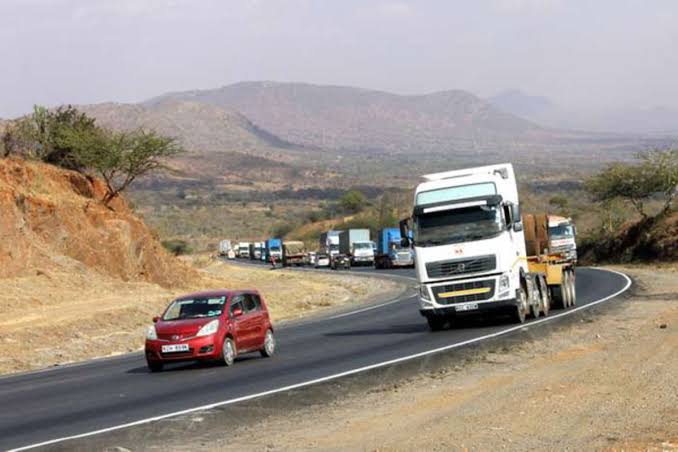
The crash occurred along the Mlima Kiu–Salama section, an area officially recognized by road safety authorities as a notorious high-risk blackspot.
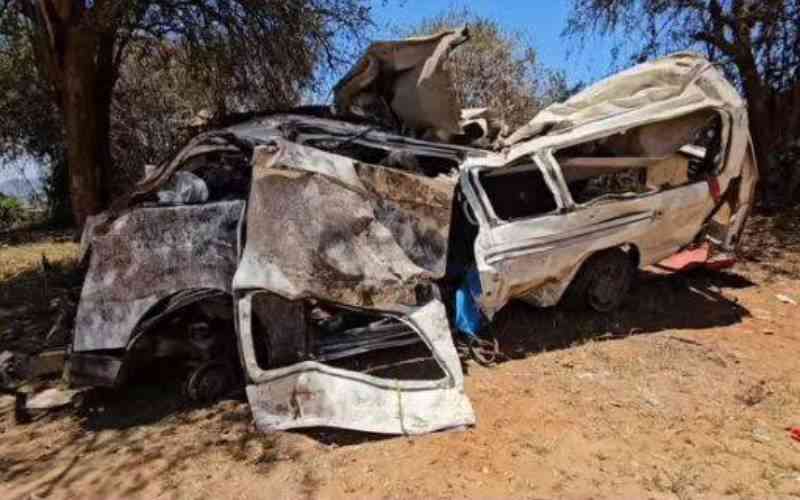
Preliminary police reports indicate that the chain-reaction accident involved multiple commercial vehicles—including heavy trucks and a 14-seater matatu. Early accounts suggested potential mechanical failures, such as brake loss, but investigators emphasize that final conclusions regarding mechanical faults will only be established once formal forensic examinations of the wreckage are complete.
Core Focus Areas for the NTSA Investigation
Rather than pointing to a single isolated cause, authorities and transport analysts are focusing on systemic factors that contribute to high-fatality accidents along the corridor:
- Vehicle Inspection & Compliance: Verifying valid inspection certificates, speed governor installation, brake function, and commercial vehicle maintenance history.
- Road Geometry & Engineering: Assessing how steep declines and sharp curves around the Mlima Kiu terrain affect heavy freight trucks under load.
- Overtaking & Lane Discipline: Examining driver behavior, visibility, and risky maneuvers along two-lane undivided sections of the highway.
- Enforcement & Night Surveillance: Evaluating traffic police presence and speed enforcement during late-night and early-morning transit hours.
Highway Safety: Why the Corridor Demands Long-Term Solutions
The Nairobi–Mombasa Highway is East Africa’s primary trade artery, carrying heavy freight trucks, long-distance buses, and passenger matatus daily. The concentration of mixed traffic on a single-carriageway setup often amplifies the severity of head-on collisions when overtaking errors or mechanical breakdowns occur.
Transport safety advocates continue to call for targeted infrastructure upgrades—including climbing lanes for heavy haulers, dual-carriageway expansions along known blackspots, and stricter routine checks at weighbridges—to prevent similar multi-vehicle pileups.
Motorists travelling the route are urged to exercise extreme caution, obey posted speed limits through Salama and Mlima Kiu, and avoid dangerous overtaking along blind crests and turns.