

What You Need to Know
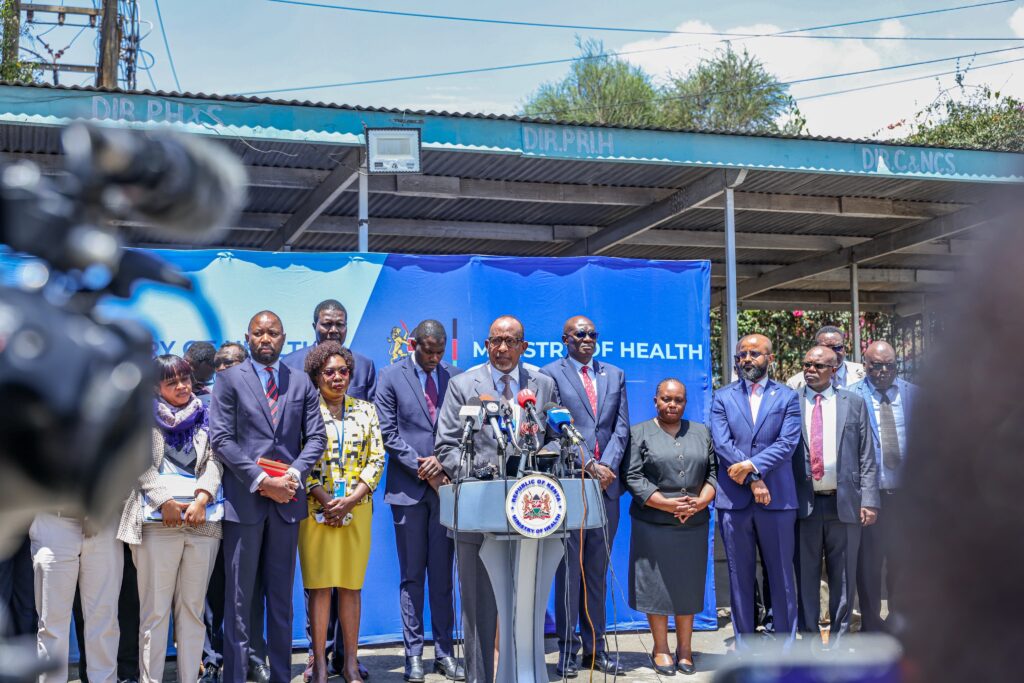
Kenya’s Ministry of Health has officially confirmed one imported case of the Bundibugyo Ebola virus disease in Nairobi. The patient, a Kenyan national who recently returned from the Democratic Republic of Congo (DRC) via Uganda, has tragically passed away.
Health authorities emphasize that this isolated imported case does not constitute an Ebola outbreak in Kenya. Active contact tracing, isolation protocols, and border surveillance systems are currently underway across the country to prevent secondary transmission.
Key Facts at a Glance
- Confirmed Cases: 1 imported case (Deceased).
- Outbreak Status: No local outbreak. The virus was acquired outside Kenya.
- Contacts Tracked: 57 close contacts identified; 10 currently placed under institutional quarantine.
- Isolation Facilities: 5 designated national centers equipped for immediate containment and case management.
- Border Screening: Over 652,000 incoming travelers screened across points of entry.
Rapid Response and Contact Tracing Underway
In response to the confirmed case, the Ministry of Health swiftly activated its emergency response mechanisms. A total of 57 contacts linked to the patient have been successfully identified. Ten of these individuals are already under structured quarantine, while public health teams continue tracing and monitoring the remaining contacts.
To ensure public safety, government officials have designated five specialized health facilities equipped to isolate, test, and manage any suspected or confirmed cases without risking general public exposure.
How Kenya Prepared: Surveillance and Field Readiness
According to updates from the World Health Organization (WHO) Africa, Kenya had already established robust regional preparedness plans due to ongoing Ebola virus monitoring in neighboring Uganda and the DRC.
Key preparatory milestones established prior to this case include:
- Screening Expansion: Over 652,000 travelers evaluated at major airports, land borders, and transit points.
- Laboratory Testing: 267 suspected samples processed swiftly in high-containment laboratories.
- Workforce Training: Approximately 5,000 health workers trained in early detection, personal protective equipment (PPE) protocols, and contact tracing.
Addressing Misinformation: Travel and Daily Life
Public health officials stress the importance of verified information. Misinformation during disease surveillance often causes unnecessary anxiety.
- Is travel restricted in Kenya? No. Domestic and international travel operations continue as usual under standard health screening protocols.
- Is there a community transmission risk? Risk remains low due to immediate identification, tracing, and isolation measures.
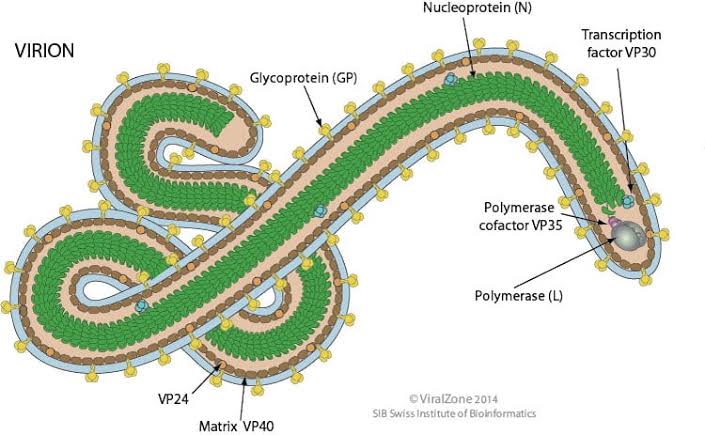
- How is Bundibugyo Ebola spread? Ebola spreads through direct contact with blood, body fluids, or contaminated surfaces of an infected person presenting symptoms. It is not transmitted through casual airborne contact.
Residents are advised to practice standard hygiene—such as frequent handwashing—and rely on official briefings from the Ministry of Health and the World Health Organization for further updates.