
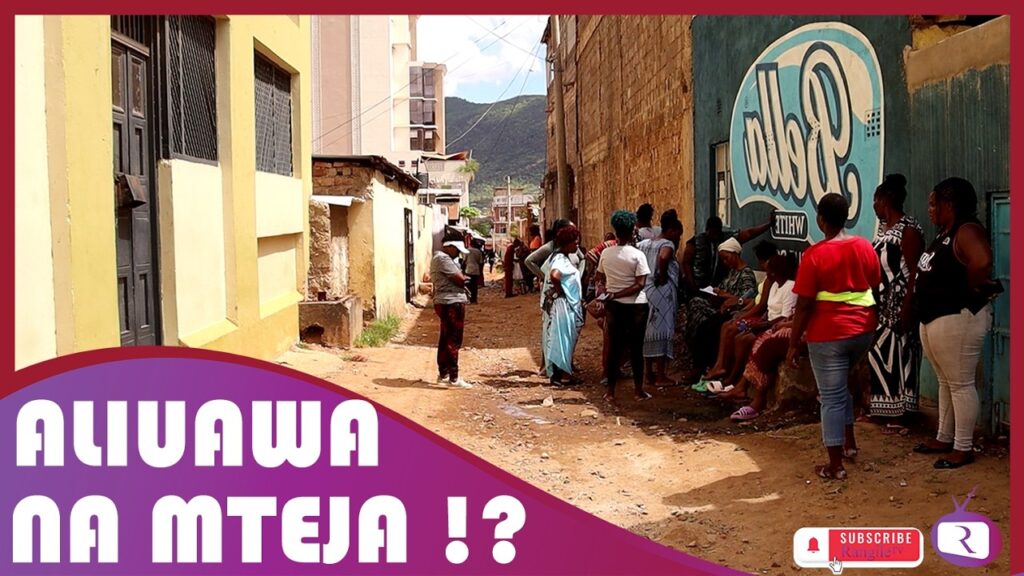

The streets of Voi rarely sleep. By day, the town hums with trade along the busy Mombasa–Nairobi highway. By night, a different economy comes alive—one that exists in the shadows, yet sustains many lives. It is here that a group of sex workers recently gathered, not for business, but for an urgent meeting shaped by fear, grief, and unanswered questions.
Their voices, often overlooked, carried a simple but powerful message: they want to feel safe.
A Morning That Changed Everything
The meeting was called in the aftermath of a disturbing incident that has shaken their community. One of their own had died after reportedly meeting a client.According to her colleagues, the discovery was made early in the morning. What they found left them in shock and deep sorrow. Since then, anxiety has spread among the group, turning what was already a risky livelihood into something even more uncertain.For many of them, the tragedy is not just a single event—it is a painful reminder of the dangers they quietly navigate every day.
A Livelihood Built on Survival
In their own words, this work is not a choice made lightly. It is, for many, a means of survival.Several of the women explained that the income they earn supports not just themselves, but entire families—children, siblings, and even aging parents. In a town where job opportunities can be limited, especially for those without formal education or stable networks, sex work becomes one of the few available options.
“It feeds us,” one participant shared during the meeting. “It takes our children to school.”Their stories reflect a broader reality across parts of Kenya, where informal sectors often fill the gaps left by unemployment and economic hardship.
Fear Behind Closed Doors
Despite the demand for their services, the workers say their safety is never guaranteed. Each encounter carries an element of risk—one that has now become harder to ignore.What troubles them most is the vulnerability they face in private spaces, away from public view. Clients, who are also their source of income, can sometimes become a source of danger.
This contradiction lies at the heart of their struggle: dependence mixed with fear.
The recent death has intensified these concerns. Many now say they approach their work with heightened caution, unsure of who to trust.
A Call for Protection and Recognition
During the meeting, the group made a collective appeal to authorities. Their request was clear—protection.
They are asking for stronger security measures, quicker response to incidents, and recognition of their rights as individuals whose lives matter. While sex work remains a complex and often controversial issue in Kenya, the workers argue that safety should not be conditional.
“We are part of this society,” another voice said. “We deserve protection like everyone else.”
Their call adds to ongoing conversations about the safety of marginalized groups and the role of law enforcement in safeguarding all citizens, regardless of their occupation.
A Community in the Shadows
The situation in Voi highlights a broader social dynamic—how certain groups operate in plain sight, yet remain invisible in policy and protection.
Sex workers contribute to the local economy, interact daily with members of the public, and support families. Yet when crisis strikes, they often find themselves isolated, with limited avenues for justice or support.This gap leaves them exposed, navigating both social stigma and physical risk.
Reflection: Whose Safety Matters?
As Voi continues its daily rhythm, the voices from that meeting linger. They are voices of resilience, but also of urgency.The tragedy they are mourning raises difficult questions. Can a society afford to ignore the safety of any group within it? And what does justice look like for those living on the margins?
In many African communities, there is a saying: “A person is a person because of other people.”Perhaps the challenge for Voi—and for Kenya at large—is to decide whether that truth applies to everyone.