
It is one of the most frustrating paradoxes in Kenya. Taita Taveta County hosts some of the region’s most vital natural water sources—from Mzima Springs to local mountain rivers. Yet, for tens of thousands of residents in Voi Town and surrounding areas like Maungu and Sagala, dry taps are a daily reality.
The water shortage in Voi isn’t just about a lack of rain; it is a structural crisis built on aging infrastructure, financial gridlock, non-revenue water loss, and climate pressures.
The Mzima Paradox: Plentiful Sources, Empty Pipes
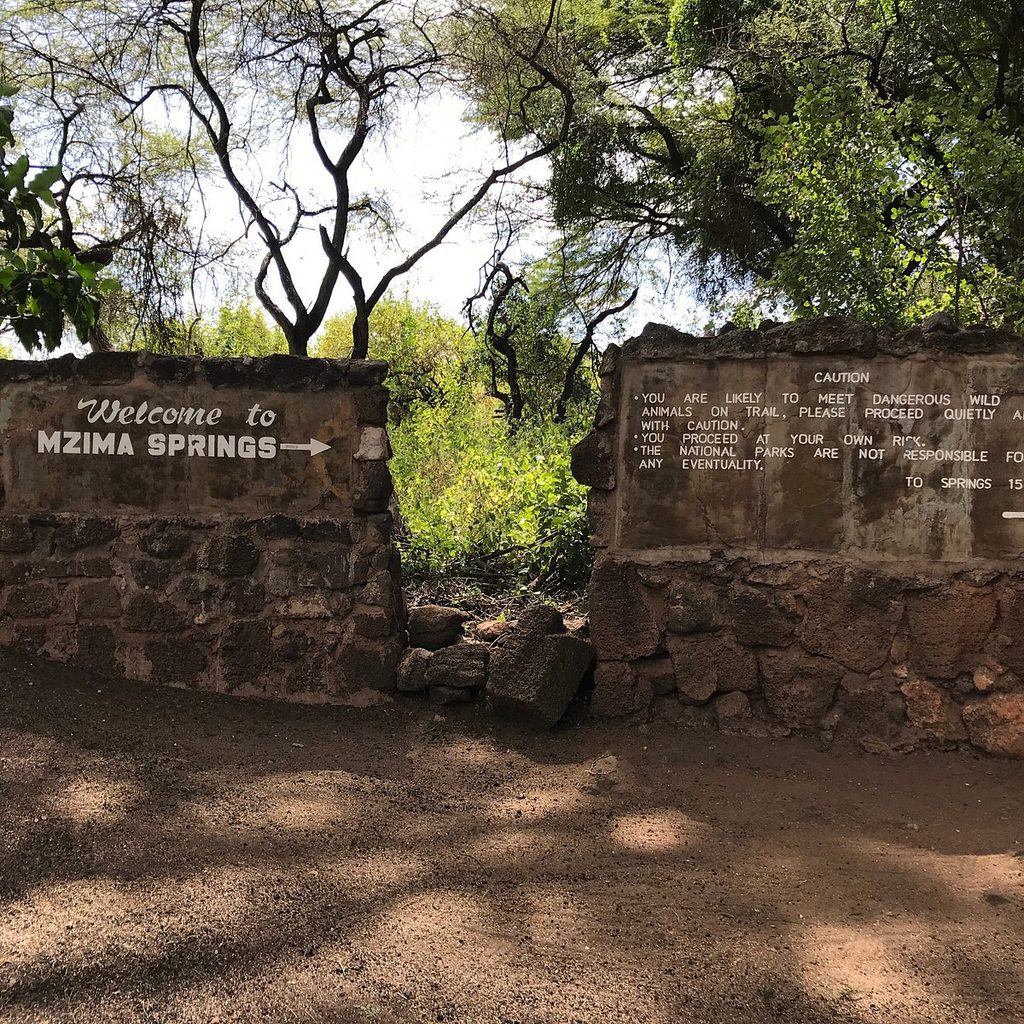
The Mzima Springs pipeline pumps millions of liters of water daily right through Taita Taveta County to serve the coastal belt, including Mombasa. Despite living along this lifeline, local communities frequently experience severe rationing.
This stems from two distinct challenges:
- Bulk Supplier Standoffs: The county-owned distribution firm, TAVEVO Water and Sewerage Company, owes hundreds of millions of shillings in historical debts to the regional bulk supplier, Coast Water Works Development Agency (CWWDA). When debt negotiations stall, CWWDA throttles supply, leaving local distribution lines dry.
- Aging Infrastructure: The original Mzima pipeline is decades old. High-pressure pipe bursts along the bulk supply line regularly plunge the entire sub-county into unplanned 48-to-72-hour outages while maintenance crews scramble to make repairs.
The High Cost of “Lost” Water
Beyond debt and infrastructure, TAVEVO faces an operational crisis: Non-Revenue Water (NRW).
Audit data and county estimates reveal that non-revenue water loss hovers around 42% to 50%. Out of all the treated water produced for the region, nearly half is lost through:
- Physical Leakages: Corroded, broken pipes leaking water under urban streets.
- Commercial Theft: Illegal connections and unmetered bypasses.
- Billing Discrepancies: Under-reported usage and unverified customer accounts.
This results in an estimated Sh386 million in lost annual revenue—money that could otherwise be reinvested into expanding local pipelines and upgrading storage facilities.
Environmental Encroachment and Climate Pressures
While infrastructure accounts for piped supply issues, the natural ecosystem is also feeling the heat.
Rising temperatures and unpredictable rainfall seasons across the Horn of Africa have severely altered local hydrology. Human activities—such as unregulated sand harvesting along the Voi River, riparian farming, and bush clearing—have accelerated siltation and lowered underground water tables. Boreholes across sub-counties like Voi and Mwatate that once produced steady hourly yields are seeing output drop dramatically as natural aquifers fail to recharge.
The Everyday Reality for Residents
For the average household or business owner in Voi, these structural failures carry a steep price tag:
- Unpredictable Rationing: Schedules promised by utility providers often go unmet, leaving neighborhoods without piped water for consecutive weeks.
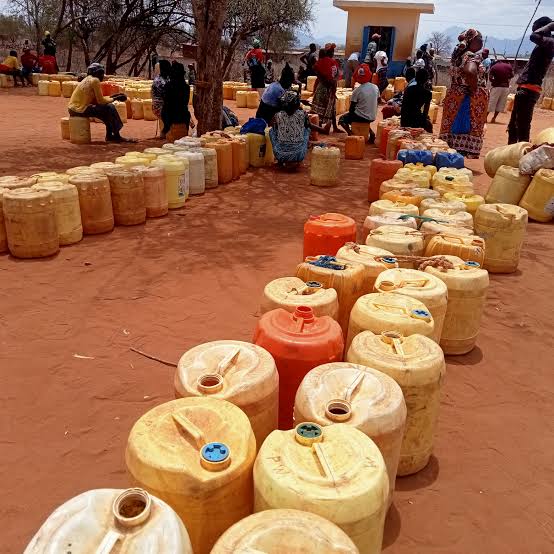
- The Water Vendor Economy: Residents are forced to buy water from private bowsers or handcarts at inflated prices, putting an immense financial burden on low-income families.
- Strained Healthcare Facilities: Essential public spaces, including Moi County Referral Hospital, face severe operational challenges during extended outages.
What Lies Ahead?
Resolving Voi’s water crisis requires more than just waiting for the next rainy season. Community activists, policy analysts, and local leadership emphasize several critical priorities:
- Pipeline Upgrades: Overhauling distribution infrastructure to slash non-revenue water loss down to national safety thresholds.
- Debt Restructuring: Settling operational liabilities between TAVEVO and bulk suppliers to ensure uninterrupted flow from regional sources.
- Catchment Protection: Strictly enforcing environmental protections around the Voi River, local hills, and spring catchment zones to allow groundwater systems to recover.
Without aggressive financial management and aggressive conservation, the paradox of water scarcity in a region blessed with natural springs will continue to test the resilience of Voi’s residents.